
Vaginal Rejuvenation
Vaginal rejuvenation at Franco Aesthetics uses two clinically validated InMode technologies — MorpheusV (radiofrequency microneedling) and VTone (intravaginal EMS) — to address symptoms many women never expected to deal with: stress incontinence, vaginal laxity post-childbirth, dryness from menopause, and discomfort during intimacy. Both treatments are non-surgical, performed in-office, and require no anesthesia.
This is one of the most underserved categories in women’s health. We talk through it directly, without euphemism. Heather and Shelby will explain exactly what each treatment does, what to expect during and after, and which combination makes sense for your specific concerns.
Led by Shelby Bennett, RN — InMode National Trainer — and performed by our licensed clinical team. Shelby is certified by InMode to train other providers nationally and sets the technique standard for MorpheusV and VTone at Franco Aesthetics. Results stay consistent across the team.
COMPARE OUR TREATMENTS
MorpheusV
VTone
MorpheusV

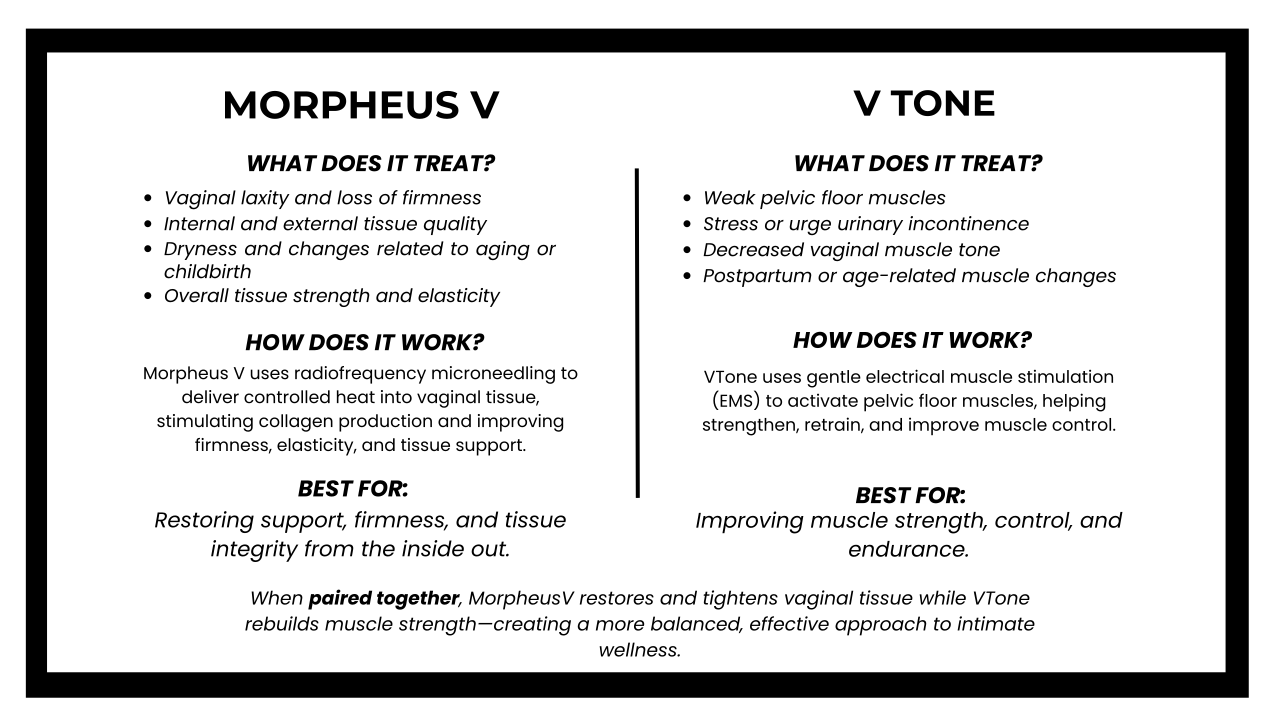
MorpheusV — also known as FormaV — is a clinically advanced radiofrequency (RF) microneedling treatment designed to improve vaginal and vulvar tissue health by stimulating collagen remodeling and enhancing tissue tone. This minimally invasive option addresses common concerns such as vaginal laxity, dryness, and reduced sensation, often associated with childbirth, aging, or hormonal changes. MorpheusV is performed in a comfortable, private setting and requires little to no downtime, making it a gentle and empowering choice for women seeking to restore confidence and intimate wellness through medically guided care.
VTone

VTone is a non-invasive, FDA-cleared treatment that uses intravaginal electrical muscle stimulation (EMS) to rehabilitate and strengthen weakened pelvic floor muscles. Commonly recommended for women experiencing stress urinary incontinence, post-partum changes, or age-related pelvic floor decline, VTone offers a comfortable, in-office solution to support core stability and bladder control. With no downtime and a focus on patient comfort, VTone is a safe and effective way to restore functional health and improve overall quality of life.
What's the Difference?

WHAT TO EXPECT
Confidential Consult
Private consultation with a provider. We discuss symptoms, goals, and recommend MorpheusV, VTone, or both based on your needs. $100 hold-spot fee, applied to your first treatment.
Treatment Series
Series begins. MorpheusV is 3 sessions every 4–6 weeks. VTone is 6 sessions every 1–2 weeks. Each appointment is roughly 30–45 minutes — discreet, in-clinic.
Results & Maintenance
Most patients notice changes within 4–8 weeks of starting. Full collagen rebuild continues for 12 weeks after MorpheusV. We follow up at 90 days and plan maintenance.
Frequently Asked Questions
What concerns can vaginal rejuvenation address?
Stress urinary incontinence (leakage with cough, sneeze, jump, or laugh), vaginal laxity post-childbirth, vaginal dryness associated with menopause, decreased sensation, and mild pelvic floor weakness. These are common, often underdiscussed concerns — we talk through them directly.
What is the difference between MorpheusV and VTone?
Different mechanisms for different concerns. MorpheusV uses radiofrequency microneedling on the vaginal and vulvar tissue to stimulate collagen and improve tissue quality — best for laxity, dryness, and tone. VTone uses intravaginal electrical muscle stimulation (EMS) to rehabilitate weak pelvic floor muscles — best for stress incontinence and pelvic floor weakness post-childbirth. Many patients combine both.
Is the treatment painful?
MorpheusV: topical numbing is applied; most patients describe mild pressure or warmth, not pain. VTone: feels like an internal Kegel contraction — strong but not painful. Most patients find both treatments tolerable. Sessions take 20–30 minutes.
How many sessions will I need?
MorpheusV: typically 3 sessions, spaced 4–6 weeks apart. VTone: typically 6 sessions, twice a week for 3 weeks. Maintenance sessions every 6–12 months keep results consistent.
Is there downtime?
Minimal. MorpheusV: avoid intercourse, tampons, and intense exercise for 5–7 days. VTone: no restrictions — return to normal activity immediately. Mild spotting or discharge for 1–2 days after MorpheusV is normal.
When will I see results?
VTone: many patients notice improved bladder control and pelvic floor strength within 2–4 sessions. MorpheusV: gradual improvement over 8–12 weeks as new collagen builds.
Who is NOT a good candidate?
Active vaginal or urinary infection, current pregnancy or first 3 months postpartum, IUD with metallic component (varies — Shelby will assess), active gynecologic cancer, or severe pelvic organ prolapse (this needs surgical evaluation, not RF or EMS treatment).
Will my insurance cover this?
Vaginal rejuvenation treatments are typically not covered by insurance because they’re considered cosmetic by most plans, even when treating functional concerns like incontinence. Pricing is transparent and discussed at consultation. VIP members get 15% off — see the Membership page.
Ready to Prioritize Your Intimate Wellness?
Book a private consult — we’ll evaluate your concerns directly and recommend whether VTone, MorpheusV, or a combination is the right approach.
VIP members get 15% off all services. Details on the Membership page.
